Don't Splash, round by round
Never stand still on a platform you have already touched: it sinks under you. Move on the count of your landing, jump early rather than far, and treat round seven as a sprint, not a puzzle.
Checked 18 November 2026 against gillavr.com and the Meta Quest store listing.
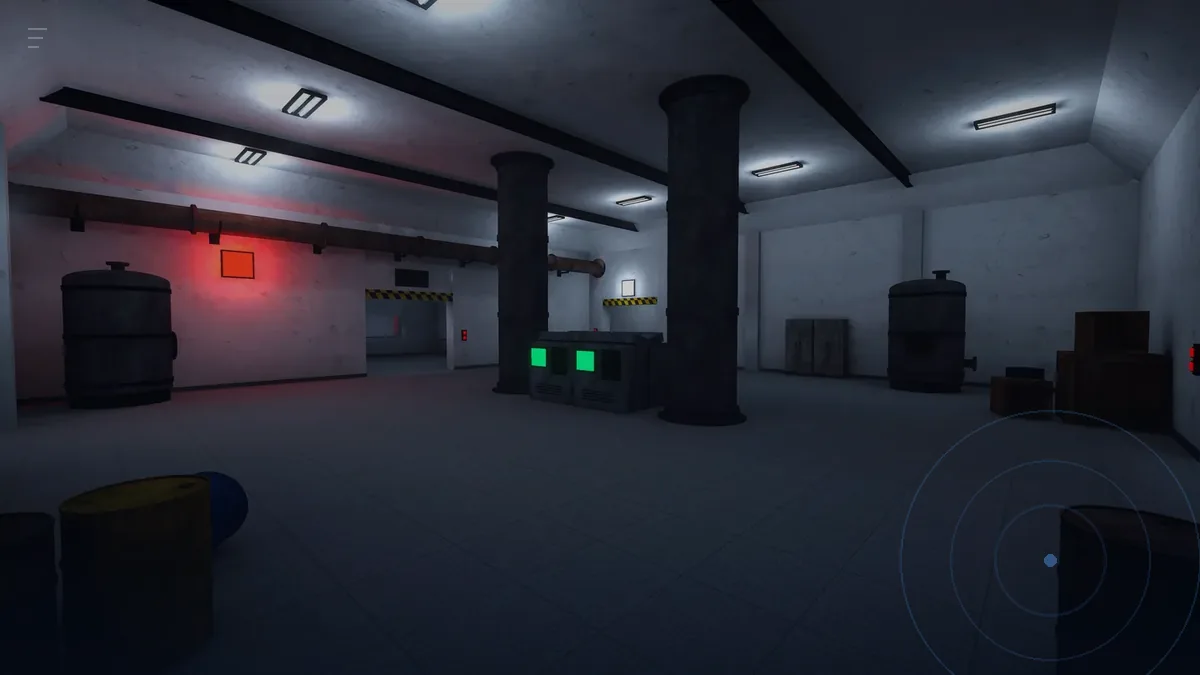
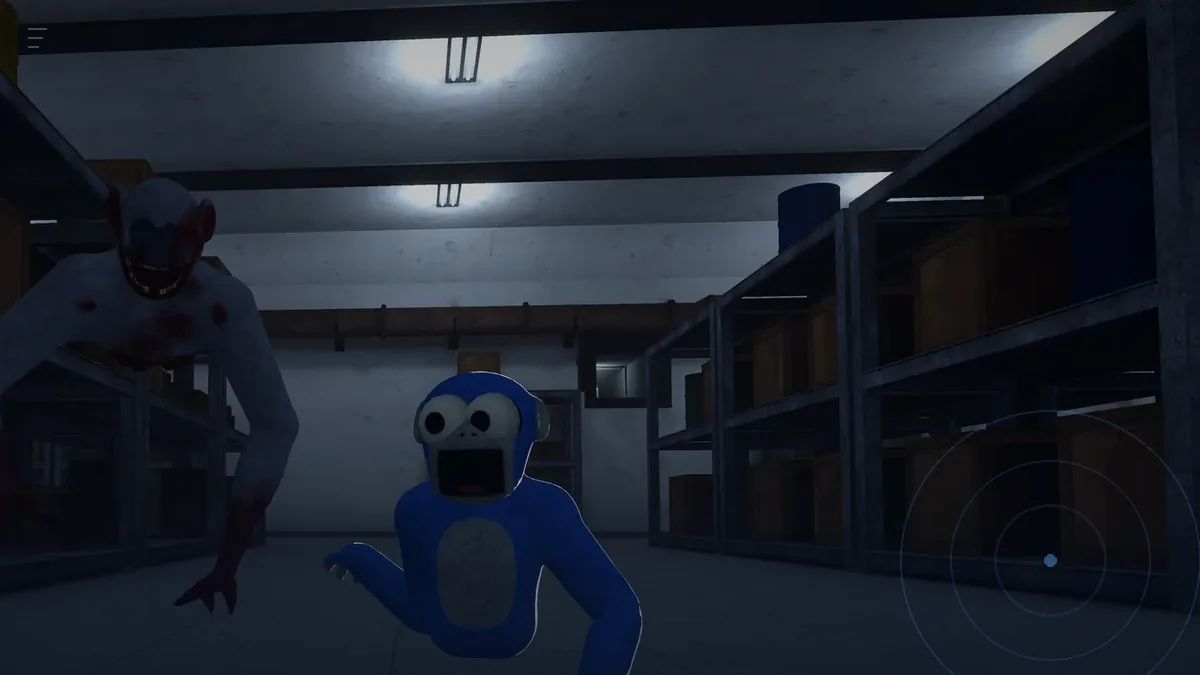
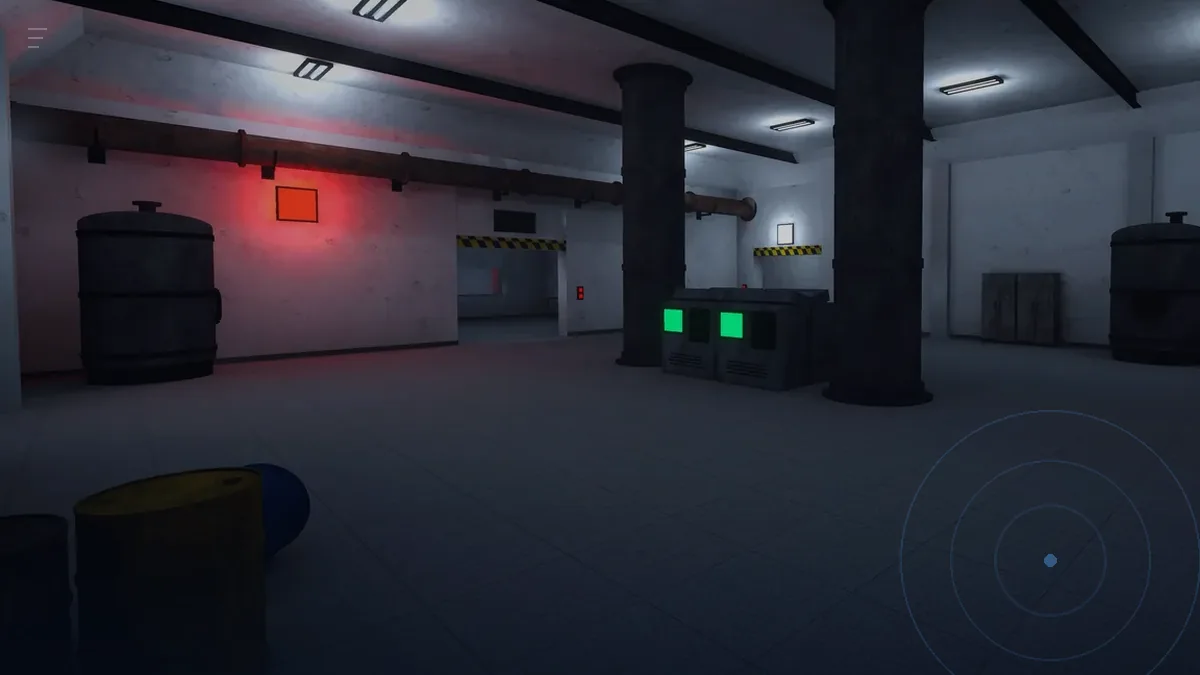
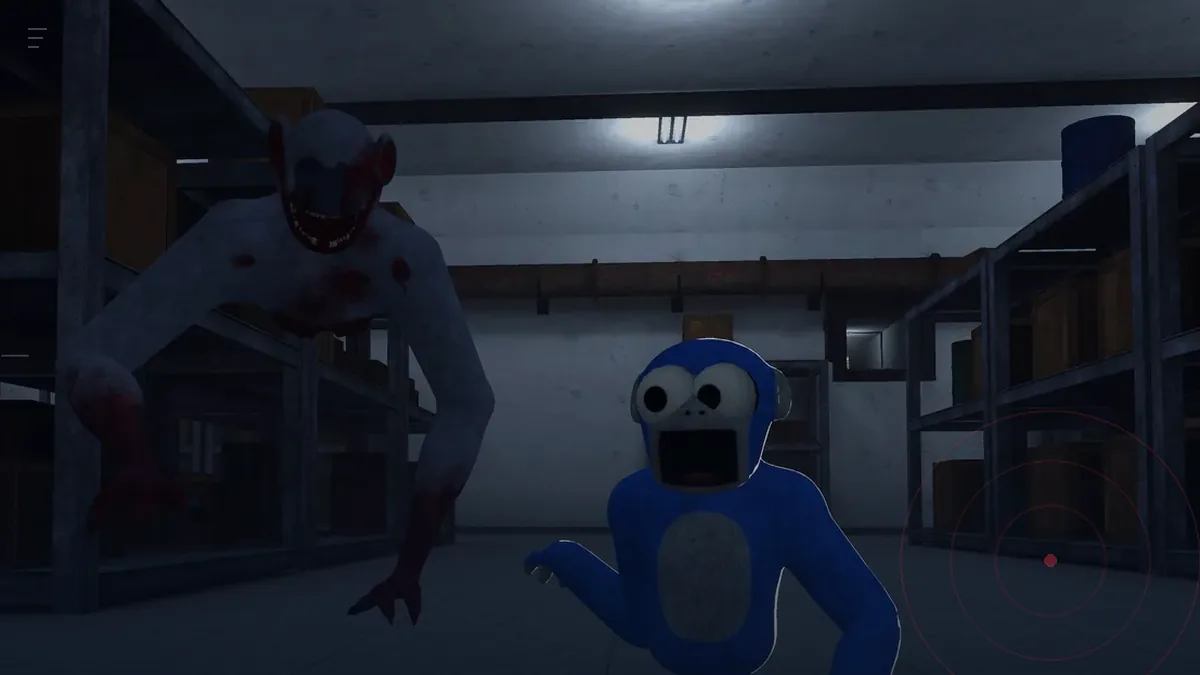
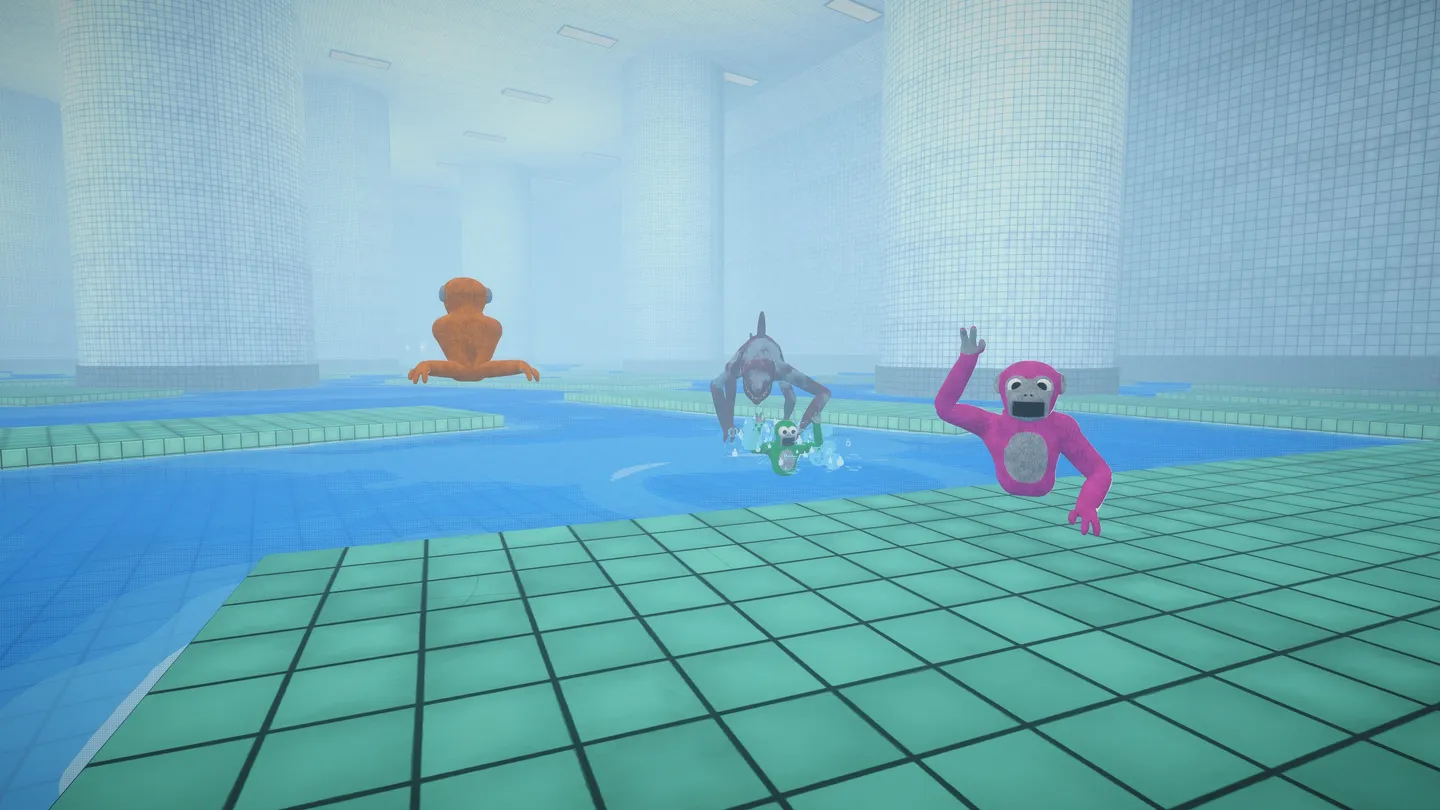
Don't Splash is simple to describe and hard to finish. You cross a flooded hall on platforms that sink once you have stood on them. Touch the water and the Mako comes for you at 24 metres a second, and by round seven it is doing 41. The mode runs up to seven rounds, and the clock gets shorter every time.
The store listing adds one detail worth underlining: every round is faster. The clock tightening is the real difficulty curve. Speed ends you; the timer makes you take risks that end you.
The shape of the mode
| Round | Mako speed | What changes for you |
|---|---|---|
| 1 | 24 m/s | Learn the platform spacing with time to spare |
| 2 | Rising | First round where the clock bites |
| 3 | Rising | Platform route choices start to matter |
| 4 | Rising | No more waiting on a platform for it to settle |
| 5 | Rising | Committed jumps only; hesitation costs a platform |
| 6 | Rising | The route you used in round one is now too slow |
| 7 | 41 m/s | Everything at once, shortest clock |
The game publishes the two anchors, 24 m/s at the start and 41 m/s at the end, and says the Mako gets faster every round. It does not publish the numbers in between, so nobody can give you a clean per-round table. What you can plan around is the direction: it never gets easier, and the last round is roughly 1.7 times the first.
The jump that keeps you dry
The platforms sink under you. That single rule decides everything.
- Land, count to one, leave. Do not stand and look. The platform is already going down while you decide.
- Jump early, not far. A short jump from a platform that is still above water beats a long jump from one that has already dipped.
- Aim for the near edge of the next platform. Landing on the near edge leaves you room to step forward; landing dead centre wastes the platform's remaining height.
- Never jump back to a platform you have already used. It is lower than when you left it, and often gone.
- Keep your hands forward. Your arms are your legs, so a jump that starts with your hands behind you arrives late.
The route rule that wins rounds
Every hall has more than one line across. Pick your line during the previous round, not during the crossing.
- Watch where other players jump. In a public room, the first player across is your scout. Follow their line one platform behind.
- Do not follow into a used platform. Two players on one sinking platform is one platform's worth of time for two people.
- Commit to a side. Drifting between two lines is how you end up jumping from a platform that is already under.
Reading the clock
The clock shortens every round, which means the correct play in later rounds is fewer, better jumps rather than faster ones.
| Situation | Wrong move | Right move |
|---|---|---|
| Clock under ten seconds | Sprint the line you know | Take the two-jump line, not the five-jump one |
| A platform dips as you land | Wait for it to stabilise | Step off immediately, it will not stabilise |
| Someone falls in | Jump back to help | Keep crossing; the Mako is already committed to them |
| You are last across | Rush the first jump | Rush nothing. The clock is on the round, not on you |
What the Mako actually does
It comes when you touch the water, at 24 m/s, rising to 41 m/s by the final round. It is water-only: the mode's whole design is that the floor is the monster. That makes Don't Splash the one mode where the counter is entirely positional and has nothing to do with voice.
Which is why it is a good mode to play while you are learning to stay quiet in ROAM. Nothing here punishes you for talking, so you can coordinate out loud, and the coordination is what gets a group across.
Practising without losing rounds
If you keep losing at round four or five, the problem is usually not the Mako. It is the route you chose in round one and never changed. Play one session where you deliberately take a different line each round, even if it is worse. You will find the line that survives the clock, and then the speed stops mattering.
The round-by-round speed anchors are also in Don't Splash rounds, and the mode comparison is in ROAM, HUNT, SURVIVE.