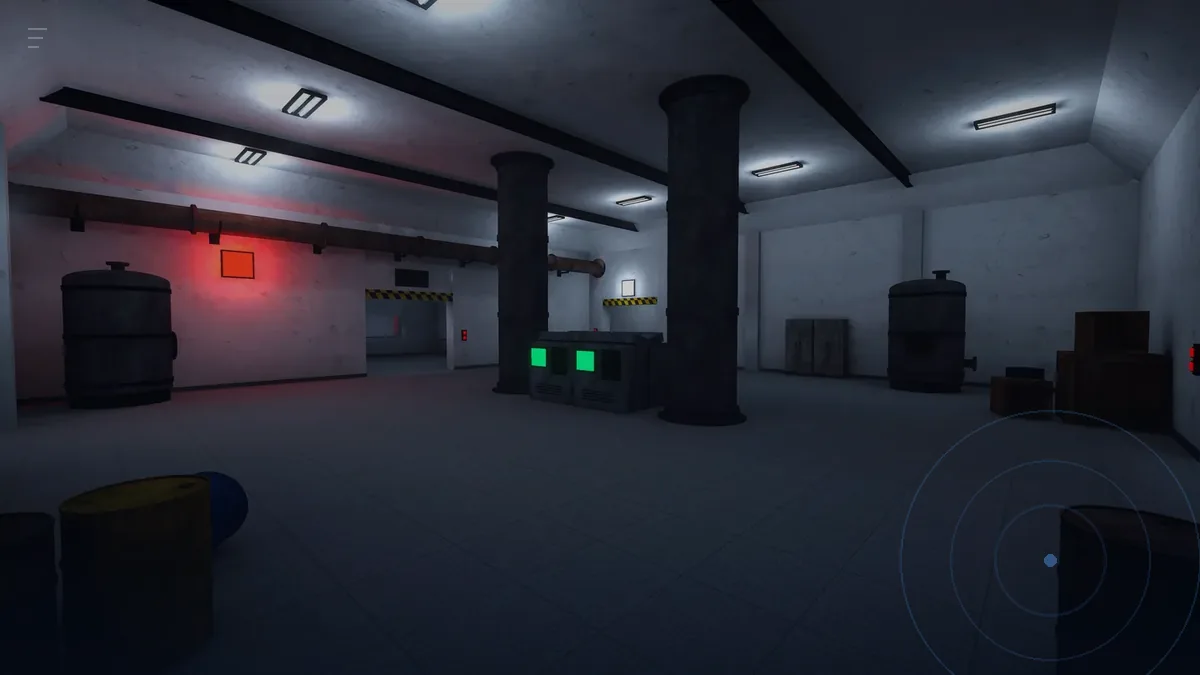
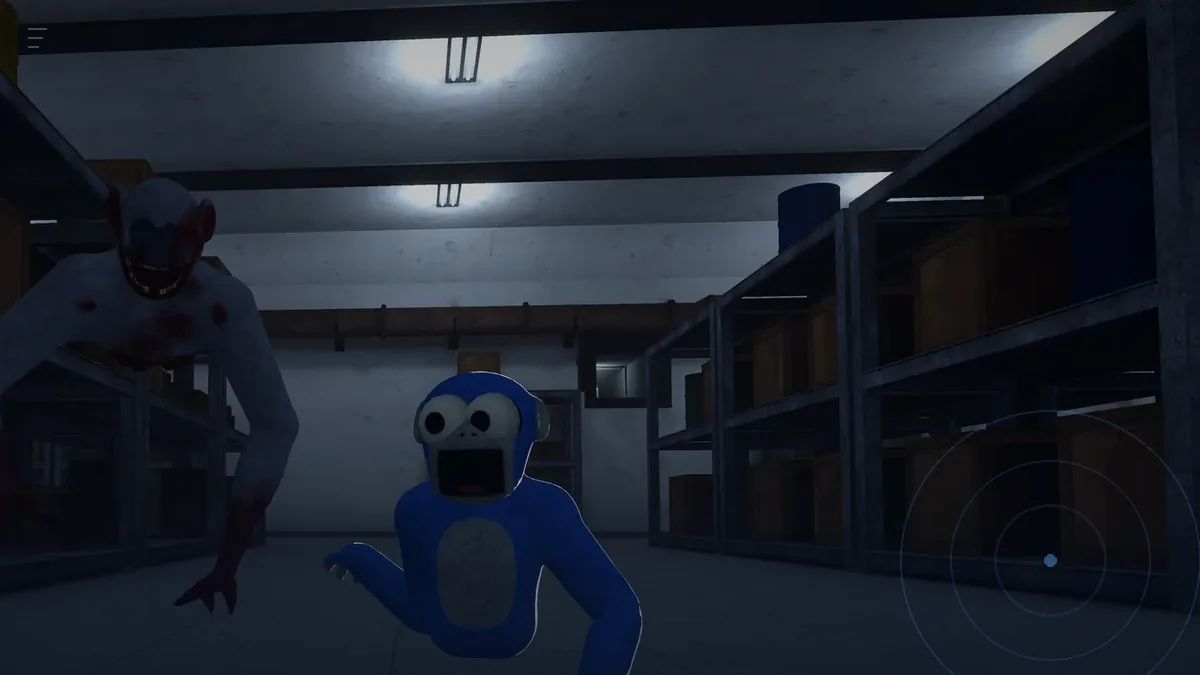
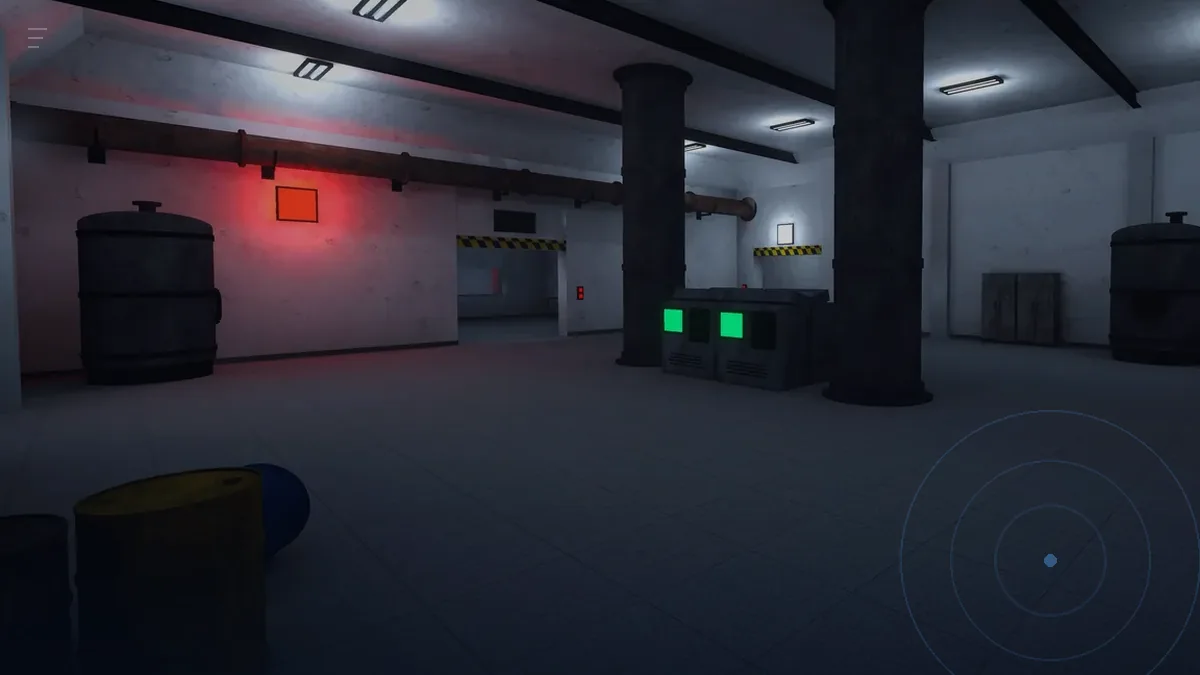
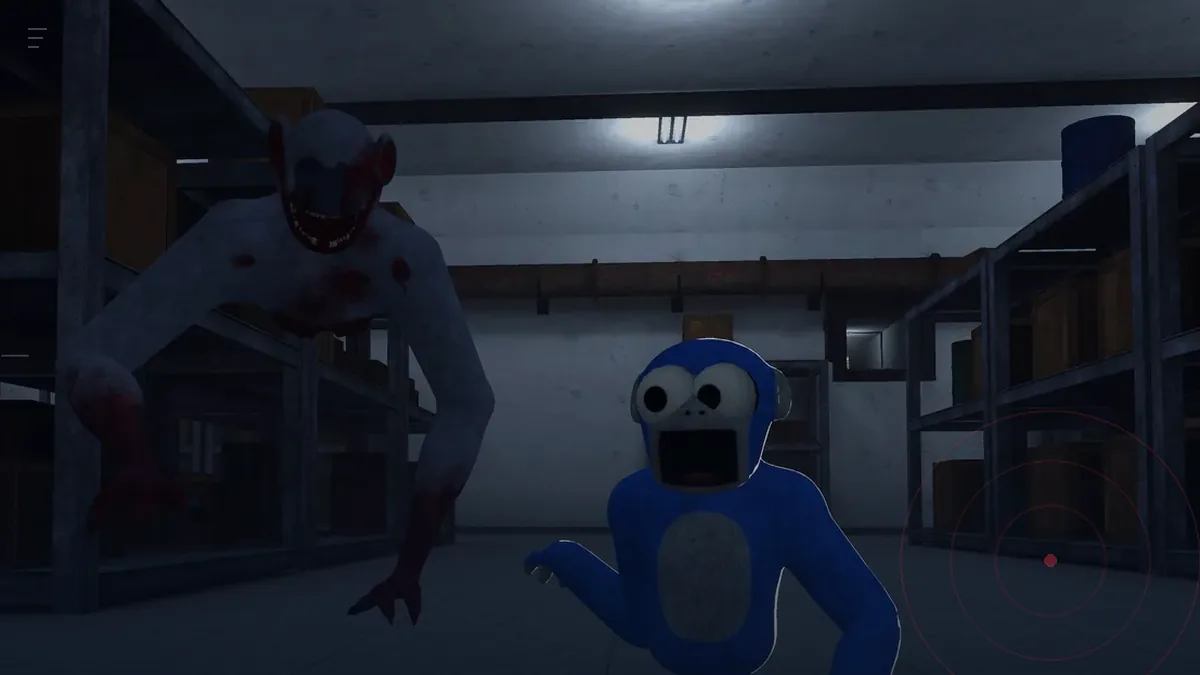
HUNT as the monster
Use the first ping to choose a route, not a target. Survivors sprint in the gap after a ping, so camp the room their route has to cross and take them when they commit.
Checked 18 November 2026 against the Meta Quest store listing and gillavr.com.
You get one player, two minutes, and a sonar ping every 45 seconds that shows everyone through the walls. The mistake almost every new monster makes is chasing the first body they see. The players who win consistently do something duller: they pick a route before the ping, then walk it.
The monster's actual advantages
| Advantage | Why it matters |
|---|---|
| You are faster than a survivor | The store reviews complain about exactly this, which means it is true in play |
| The ping shows everyone | Not just survivors: you get the whole board |
| Survivors must move | Two minutes forces them out of cover |
| You choose the engagement | They route around you, not the other way around |
The one thing you do not have is time. Two minutes is about one and a half sweeps of a medium map, so every chase you start is a chase you cannot abandon cheaply.
The three-ping plan
- Opening ping: read the board, do not commit. Count bodies, note which side of the map is crowded, and pick the corridor that connects the two busiest rooms.
- Walk to the cut-off point. Not to a player, to the place their route has to cross. Doorways, stairs and any single-exit room are cut-off points.
- Second ping: adjust once. If the crowd moved, move with it. If it did not, hold. Survivors who freeze after a ping are telling you they are scared, and scared players stay put.
- Last 45 seconds: hunt the nearest, not the best. With the clock running out, a guaranteed catch beats a clever one.
Cut-offs beat chases
A survivor's advantage is corners. Your advantage is that they have to come out of them.
- Stand in the doorway, not in the room. A body in the door removes the exit without entering the fight.
- Camp the objective, not the player. Whatever the map's structure is, players converge on it. Wait where they must pass.
- Use the ping to rule out rooms. If the ping shows nobody in the east wing, the east wing is not where you should be.
Reading survivors
You cannot hear their voice chat from across the map, but you can read behaviour:
| What they do | What it means | What to do |
|---|---|---|
| Sprint immediately after a ping | They are panicking and burning their gap | Follow the sound of movement |
| Hold still in a room with two exits | They are waiting for the next ping | Take one exit and wait at the other |
| Two players moving together | They will try to split when they see you | Commit to the one further from a door |
| A player running toward you | It is a decoy or a mistake | Take it, then re-read the ping |
What the monster cam does for you
Caught players watch the rest of the round on the monster cam, which means your route is being studied by everyone you have already killed. Change your pattern between rounds. The monster who takes the same corridor three rounds running ends the third round with an ambush waiting in it.
Winning the vote
The map vote happens before the round starts and it decides more than players think. Vote for the map with the tightest corridors. Open maps favour survivors because they can see you coming; tight maps favour you because every engagement is at arm's length, and arm's length is where a faster body wins.
If the room out-votes you, spend the opening ping learning the one corridor that connects the two halves of the map, and live in it.
If you never get picked
The monster slot is chance-based, and players report long waits in busy public rooms. That is a separate problem and it has its own page with the workaround that actually functions: how to become the monster.
For the survivors' side of the same round, read HUNT as a survivor.