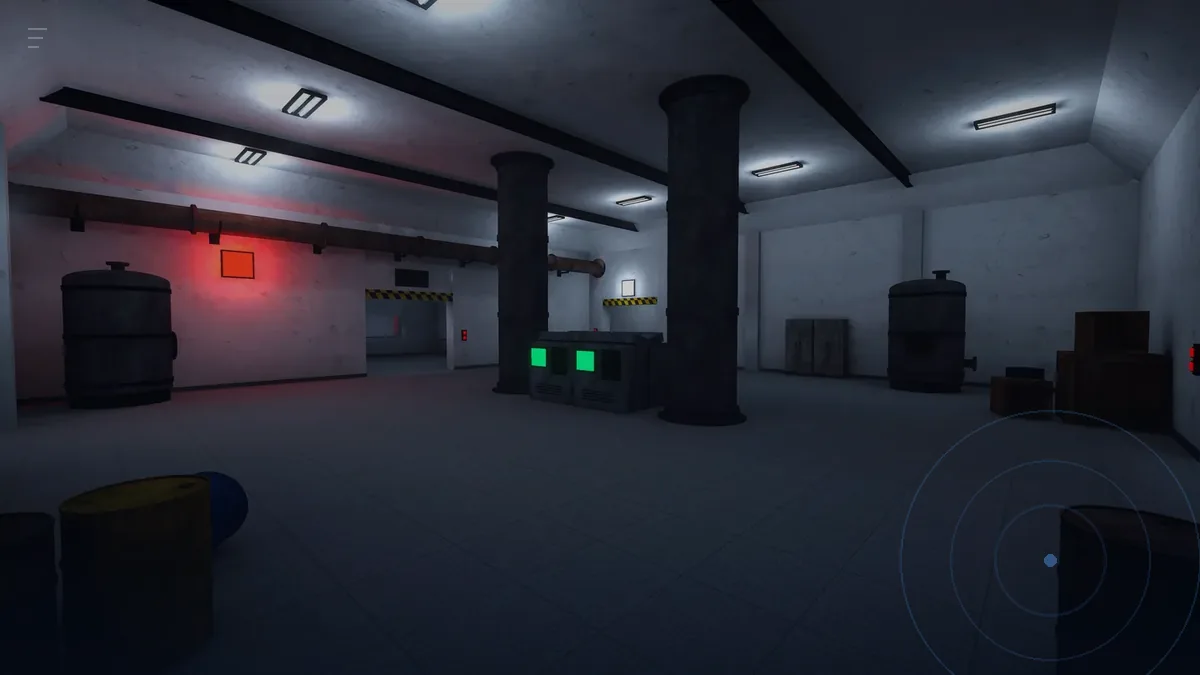
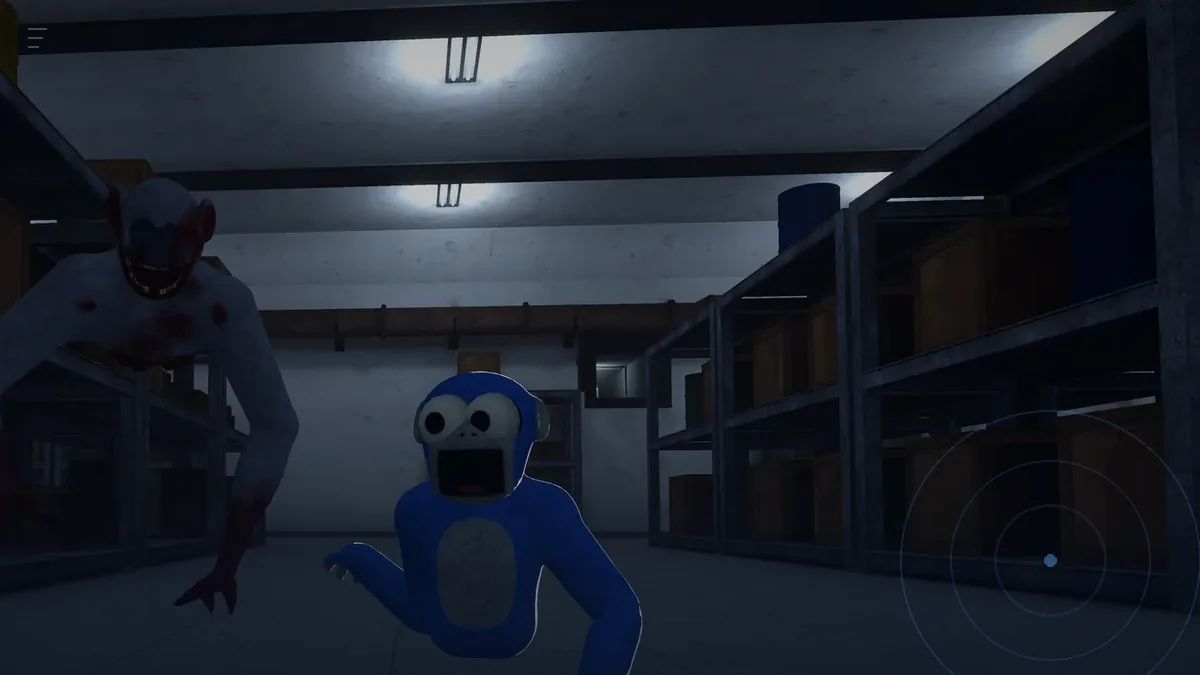
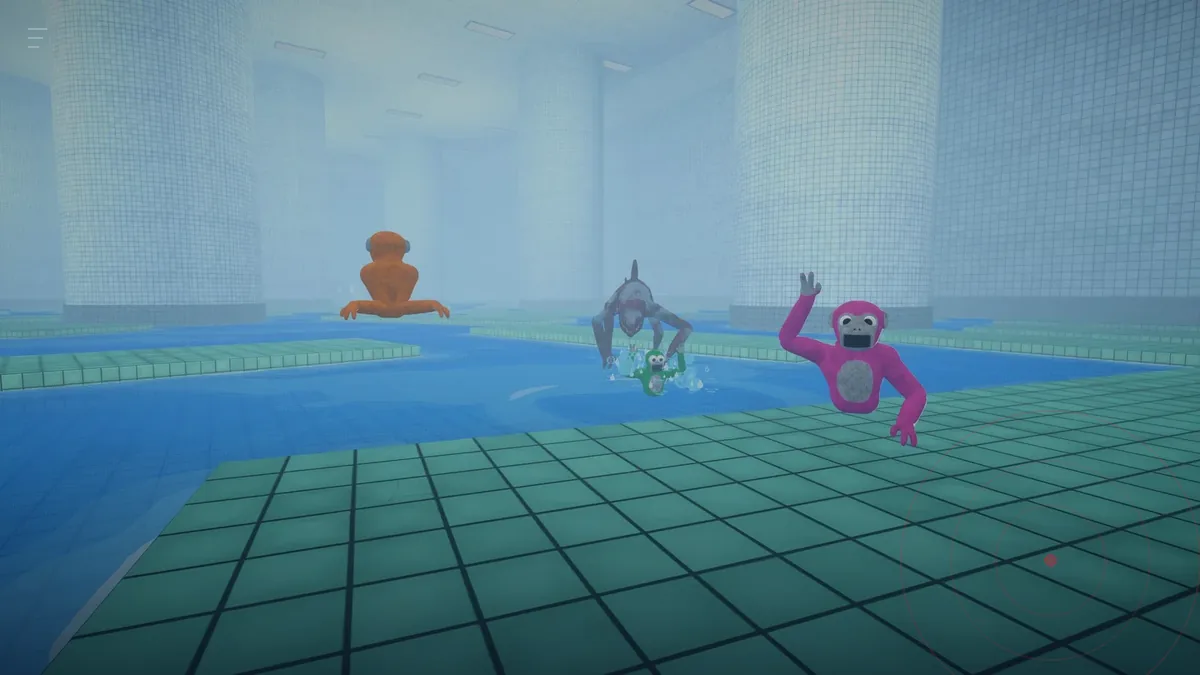
Sound is the alarm
Treat your microphone as a loudspeaker for the monster. Anything you say near the Grinner pulls it to that spot, so whisper only when you are more than a room away and mute before you enter a lit hall.
Checked 18 November 2026 against gillavr.com, the Meta Quest store listing and the game's privacy policy.
In most co-op games voice chat is a convenience. In GILLA it is a mechanic with a downside: the monsters come to the sound of talking. The game's own site says it plainly, and the Grinner's description adds the detail that matters, "talk near it and it comes". So the first skill of a good team is not shooting or running. It is knowing when to shut up.
What actually counts as noise
| Source | Does it pull a monster? | Evidence |
|---|---|---|
| Voice chat | Yes | The game's site says monsters come to the sound of talking |
| Talking near the Grinner | Yes | Its own description: talk near it and it comes |
| Footsteps, pushing, wall kicks | Not published | The game documents voice, not movement noise |
| In-game ambience, doors, breaking glass | Not published | No source describes these as noise |
That table is deliberately short, because the game's own pages only commit to voice. Treat your microphone as the loud thing and everything else as unknown. Anyone telling you that sprinting is silent, or that it is loud, is guessing.
The rule that keeps a team alive
One room of silence. If you can see the Grinner, or you are in the room next to where you last heard it, mute. Not whisper: mute. Whispers still go through voice chat, and voice chat is the input the monster listens to.
- Before you enter a lit hall, say "going quiet" once, then mute.
- Cross the hall without speaking. Hand signals are not a thing in GILLA, so agree on a cue before you start: two taps on your own chest, or simply walking first.
- Re-open voice in the next room. Distance is the only thing you can buy, and you have to spend silence to get it.
- If someone gets caught, do not shout their name. Nothing you say can help them and everything you say brings the second monster.
When to be loud on purpose
Silence is a tool, which means it can also be a decoy. Two legitimate uses of noise:
- Pulling the Grinner off a teammate. If someone is cornered, talking from a different room moves the threat toward you. That is a trade, and it only works if you have an exit.
- Testing whether a room is clear. Say one word, stop, and listen for a drag. It costs you position but it buys information.
Both of these are advanced and both of them get people killed. Do them when you already know the layout, not on your first run.
Voice settings that matter
Voice in GILLA is positional and comes out of your ape's mouth, in 3D, for everyone in the room. That has two consequences worth setting up for:
- A good mic is a liability. If your headset mic picks up room noise, the game hears it. Use the headset's own mic, not a speaker-adjacent setup, and keep game audio on headphones.
- Muting is per player, not per room. Other players can mute you from the leaderboard in the lobby. If you are the loud one, you will be muted and then you cannot warn anyone.
The Meta layer has its own microphone permission, and a permission that is off looks exactly like a broken voice chat. If nobody can hear you at all, work through when nobody can hear you before you change anything in game.
Planning without talking
The workaround for a team that has to stay quiet is to plan in the lobby, out loud, before the round starts. Decide three things:
- Who carries the keycard.
- Who walks first into each hall.
- Where everyone meets if the run breaks.
That is about thirty seconds of conversation and it removes the need for mid-run coordination, which is exactly the coordination that gets people heard.
What this means for the Grinner specifically
The Grinner is the monster that makes voice dangerous, because it is the one explicitly documented as reacting to speech. Its page covers the approach and the exit routes: the Grinner. For the rest of the base loop, the practical version is one full base run.