The seven Splash rounds
Round one starts with a Mako at 24 m/s and the table tops out at 41 m/s by round seven, with the timer tightening every round. The speed jump matters less than the clock: later rounds fail to hesitation, not to distance.
Checked 18 November 2026 against gillavr.com and the Meta Quest store listing.
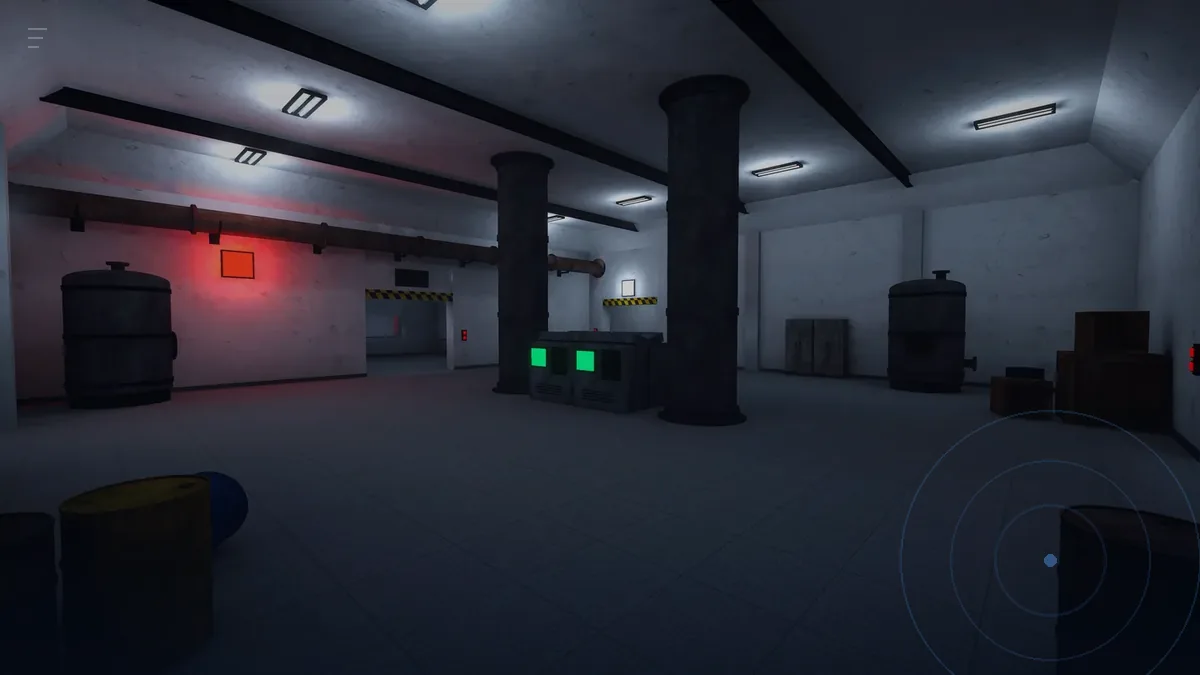
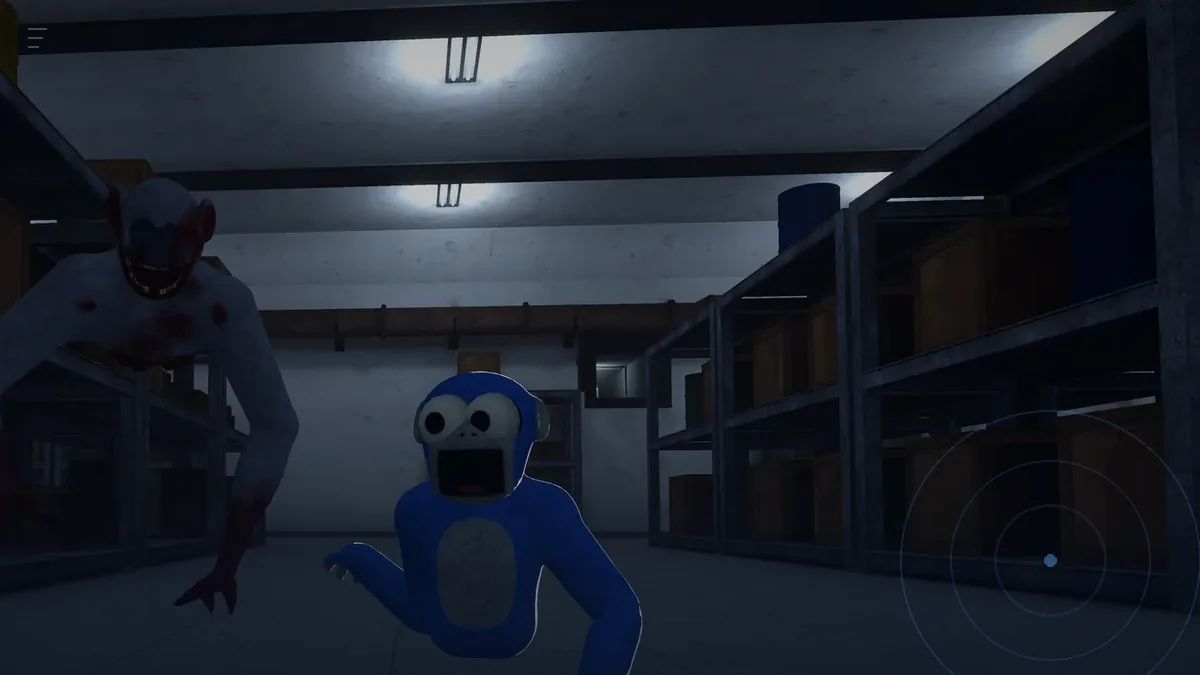
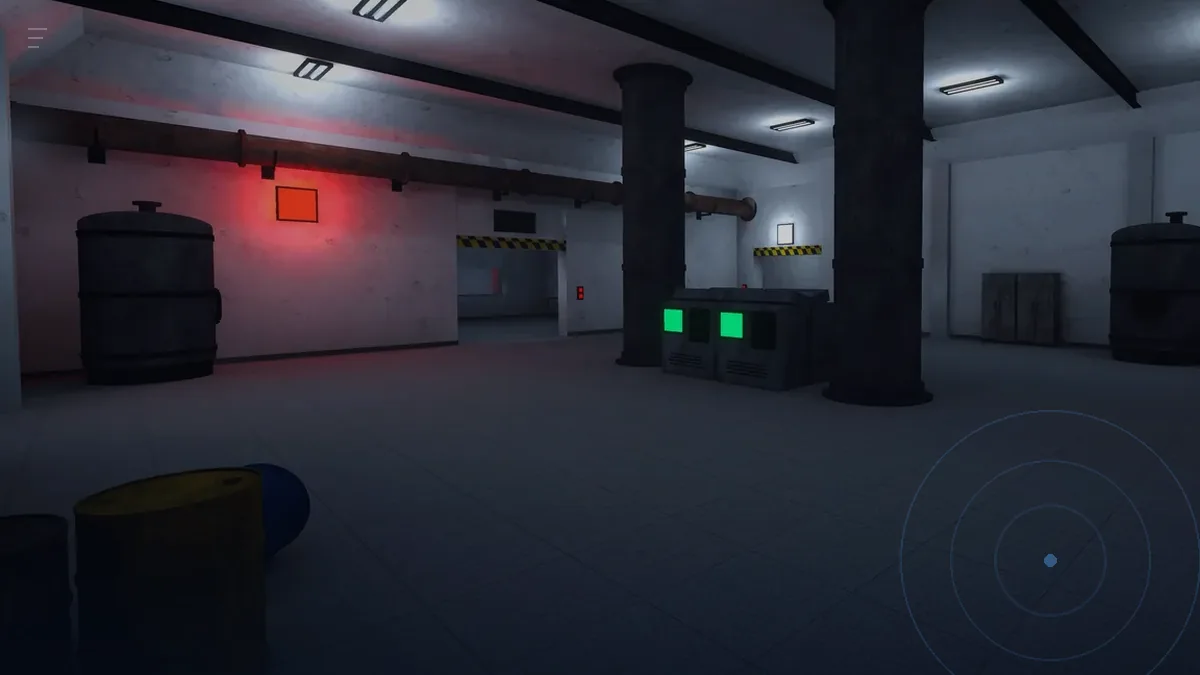
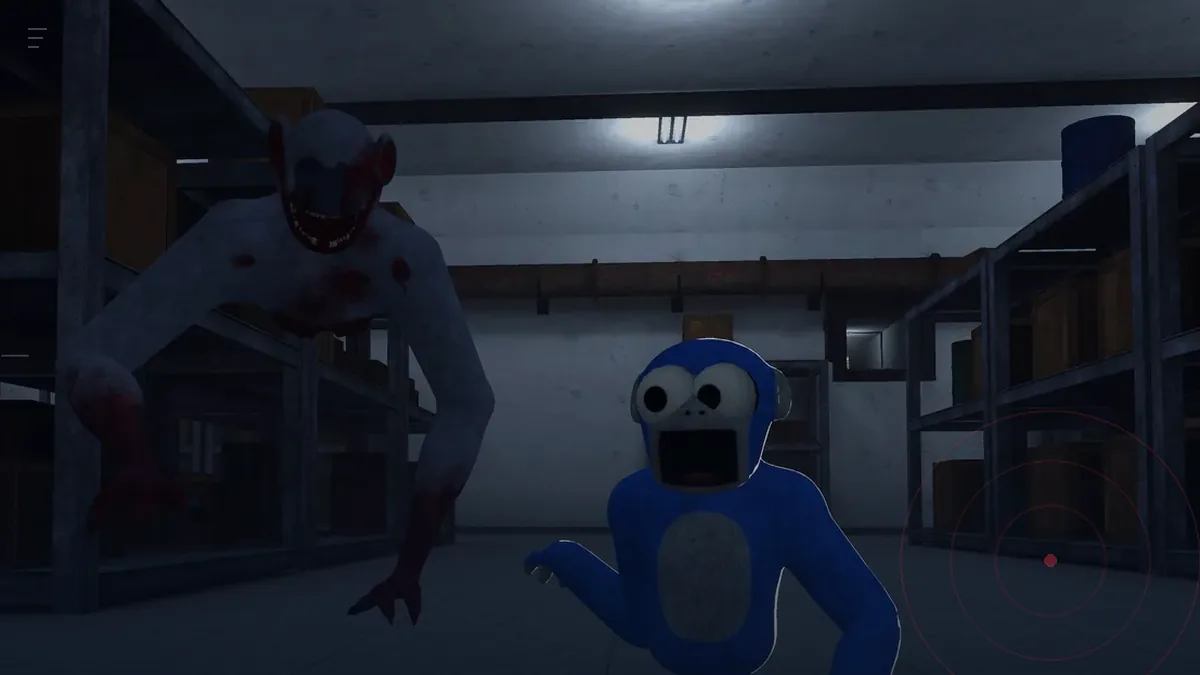
Don't Splash publishes exactly two speeds and one rule, and between them they explain every death in the mode. The Mako starts at 24 metres a second and reaches 41 by round seven. The platforms sink once you have stood on them. Everything else about the mode is timing.
The numbers the game gives you
| Value | In units you can picture | |
|---|---|---|
| Mako, round 1 | 24 m/s | About 86 km/h |
| Mako, round 7 | 41 m/s | About 148 km/h |
| Change across six rounds | ×1.71 | Nearly three quarters again |
| Rounds | Up to 7 | Clock shortens every round |
| Platforms | Sink after you stand on them | Single use |
| Water | Instant trigger | No safe contact |
The two speeds are the only figures the game publishes. The rounds in between rise, because the game says the Mako gets faster every round, but the individual values are not given anywhere. A guide that lists a speed for round four is filling in the gaps.
What each round asks of you
| Round | Mako | Your job | The mistake that ends it |
|---|---|---|---|
| 1 | 24 m/s | Learn the platform spacing with time to spare | Standing on a platform to look around |
| 2 | Rising | Find the line you will use for the rest of the run | Taking the shortest-looking route instead of the safest |
| 3 | Rising | Start jumping early rather than far | Waiting for a platform to settle |
| 4 | Rising | Commit to a side of the hall | Drifting between two lines |
| 5 | Rising | Fewer jumps, better jumps | Following another player onto a used platform |
| 6 | Rising | Hold your nerve on the second-to-last jump | Rushing the first jump because the clock is short |
| 7 | 41 m/s | Sprint the line you already know | Trying a new route on the last round |
Why the clock kills more than the shark
A 41 m/s shark sounds like the hard part. It is not, because the water is instant either way: 24 m/s already outruns any jump you can make. The shark's speed only decides how far you can be from the splash when it arrives, and the answer is never far enough.
What actually changes between rounds is the clock. Shorter time means the round stops rewarding patience:
- In round one you can wait for a platform to stop moving. By round four you cannot.
- In round one you can take a five-jump line. By round six you need the two-jump one.
- In round seven the only viable strategy is a route you have already walked twice.
The jump timing, in three rules
- Land near the edge you came from. It leaves the rest of the platform as runway.
- Leave on the first count. The platform is already sinking while you look at the next one.
- Aim at the near edge of the target. Landing short on the near edge is recoverable; landing long is water.
Practising the curve
You cannot rehearse round seven. What you can do is rehearse the jump that round seven requires: a two-jump line across a known hall, taken without hesitation.
- Pick a hall where you can see both the near and far platforms from the start.
- Walk it slowly in round one and note the two platforms you would use in a hurry.
- In rounds two and three, take only those two.
- If you clear round three with time left, your line is good enough for round seven.
That is the whole practice method, and it works because the speed is not what you are practising. The route is.
The tactical version of this page is Don't Splash, round by round. If you want to know which mode to spend a short session on, ROAM, HUNT, SURVIVE has the decision table.