What the reviews are saying
The rating split is lopsided: 58% five stars and 20% one star. The one-star cluster is dominated by a join bug and the long wait for the monster slot, both of which are behaviour you can work around rather than broken mechanics.
Checked 18 November 2026 against the Meta Quest store listing and the reviews shown there.
GILLA sits at 3.8 stars from 7.7K ratings and 5.5K written reviews, eight days after release. That average hides the most useful thing about the game's reception: the ratings are not spread out, they are split. Here is what the split is made of.
The distribution
| Stars | Share | What it represents |
|---|---|---|
| 5 | 58% | Players who got into a working room and liked the movement |
| 4 | 8% | Players who liked it and hit friction |
| 3 | 8% | Mixed |
| 2 | 6% | Mostly technical failures |
| 1 | 20% | A specific failure, described in detail |
A 20% one-star share on a free game is not normal grumbling. When a free game gets one-star reviews, people are not complaining about value. They are complaining about not being able to play.
What the one-star reviews actually say
Reading the visible reviews from the first week, the complaints cluster into two groups and one outlier.
| Complaint | How often it appears | Is it fixable today |
|---|---|---|
| "It says I'm offline" | Several, independently | Sometimes: restart the game, then the headset |
| "You can't hear anyone" | Several, often alongside the above | Usually: microphone permission or routing |
| "It takes hours to become the monster" | Two detailed reviews | Yes: private room with a small group |
| "The monster is faster than survivors" | One review, as a design complaint | No. That is the design |
The first two are one bug wearing two hats: a session that half-works. Players describe joining, hearing nothing, restarting, and then being told they are offline. That sequence is consistent enough to call it a bug rather than bad luck.
The monster-wait complaint, in the players' words
One reviewer spells out the problem and the workaround in the same paragraph: the chance system "can take up to an hour or two", and the recommendation is to get friends into a private lobby where "as long as no more people are joining, you should have a chance".
That is a player solving a design problem with the tools the game gives them, and it is the single most useful piece of advice in the review section. It is also the reason how to become the monster exists on this site.
What the five-star reviews like
The positive reviews are consistent about three things:
- The movement. Arms as legs is the thing people mention first.
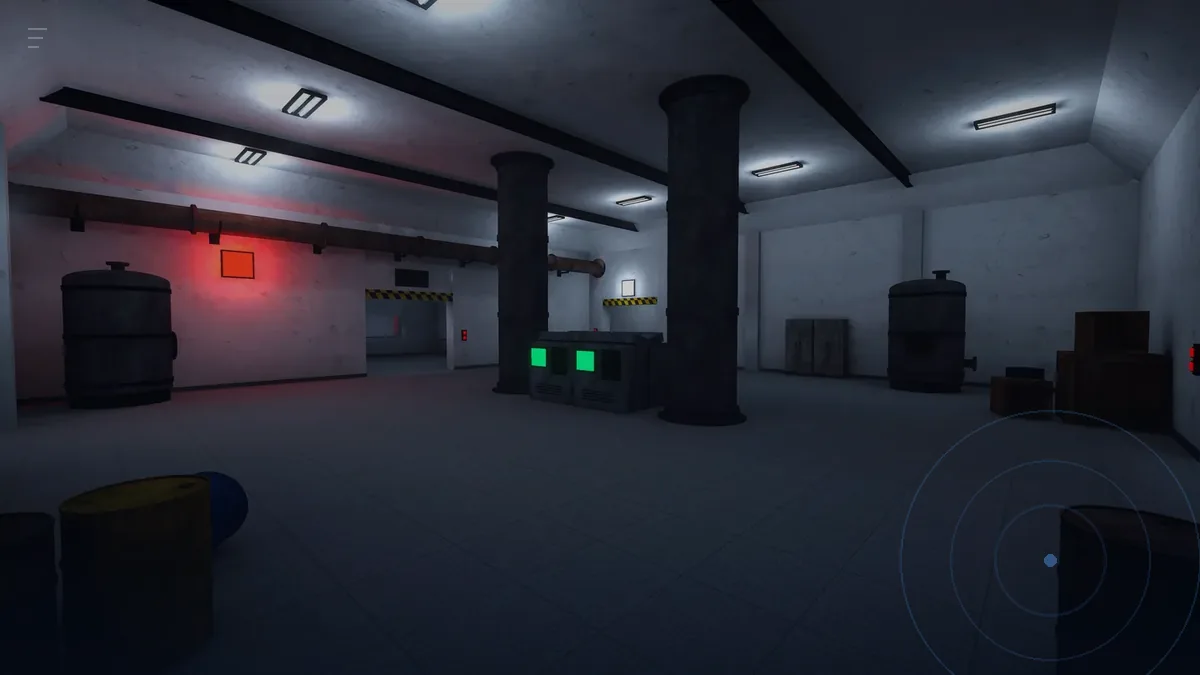
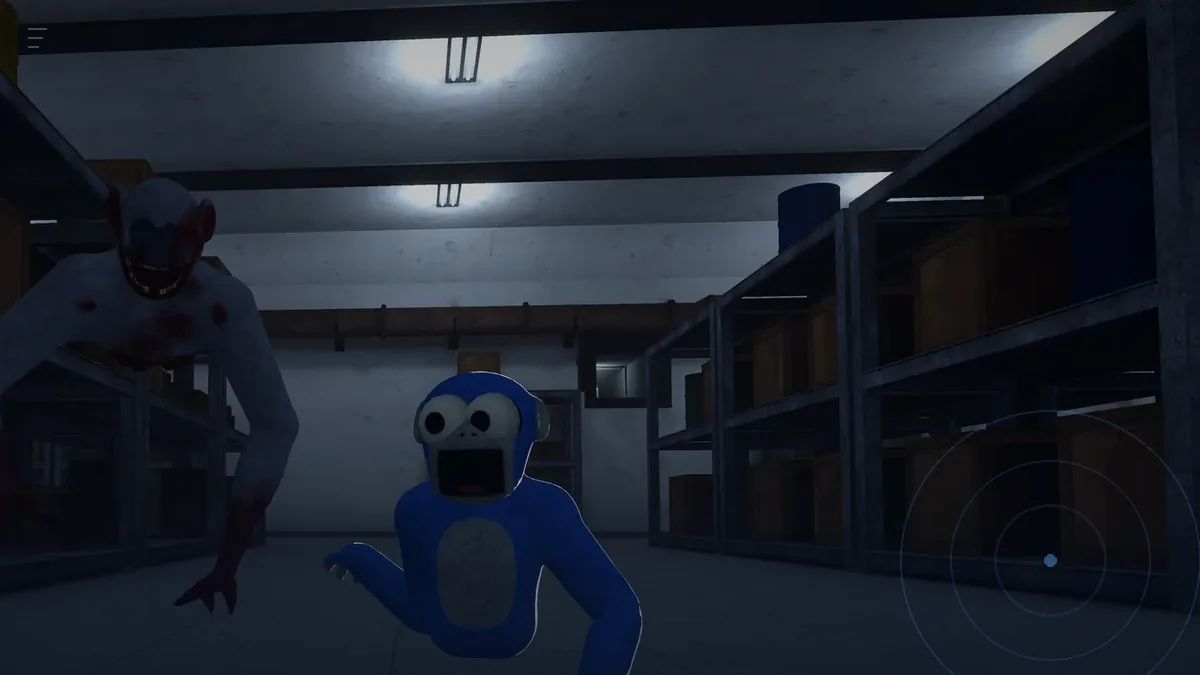
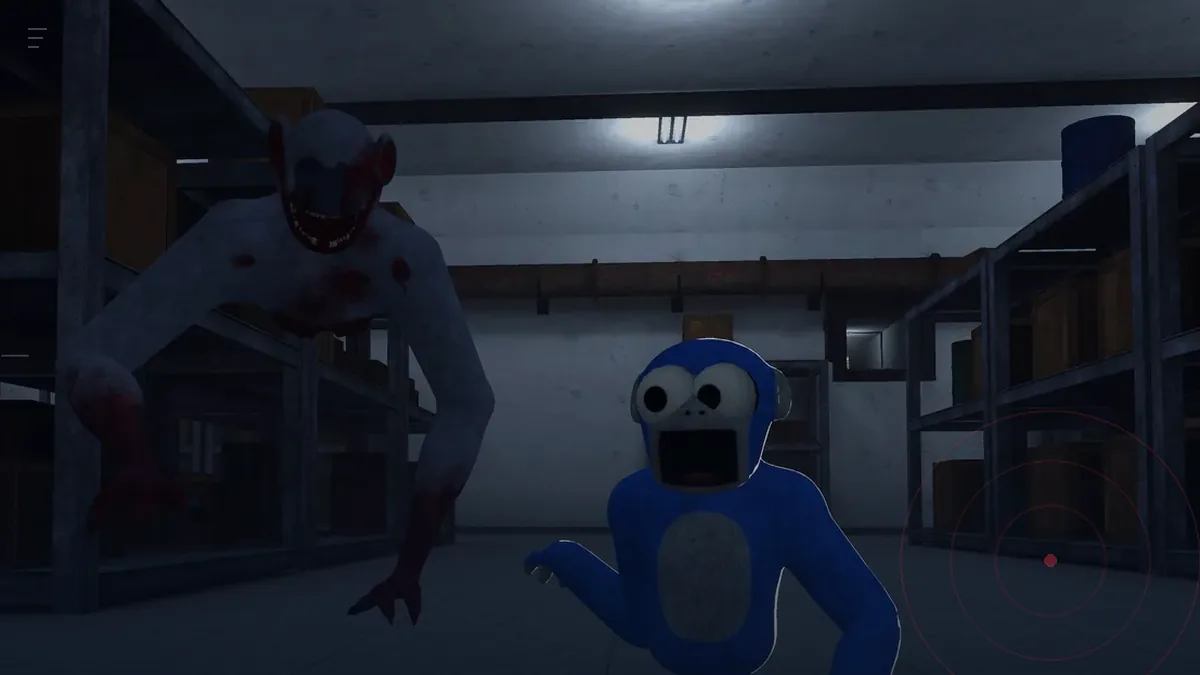
- The monsters. Specifically the ape, and specifically that it hears you.
- The price. Free makes a lot of roughness forgivable.
Nobody in the visible reviews praises the shop, the progression or the onboarding. That is not a criticism, it is a signal: the game's identity is the locomotion and the monsters, and everything else is scaffolding.
What the rating does not tell you
- It does not measure the base's depth. One map, three modes, and the reviews are eight days old.
- It does not separate platforms. A Quest 2 and a Quest 3 are in the same average.
- It does not separate regions. GILLA's sessions run on US-west servers; a player in Europe is having a different technical experience from a player in California, and both votes count the same.
How to read a review of this game
Three questions turn a useless review into a useful one:
- Did they get into a room? If not, the review is about the join flow, not the game.
- Did they play with friends or strangers? The experience is different, and the review rarely says.
- Did they want to be the monster? A large share of the negative reviews are about the slot, not the hunt.
Ask those three and the 3.8 stops being a mystery. It is a good game with a broken front door, reviewed by people who could not get through it.
The value decision is in is it worth it right now, and the technical fixes are in known issues.